








Introduction
A pomerusky earns attention almost everywhere it goes. The striking eyes, thick coat, and compact build make people stop and ask questions. That attention can also create unrealistic expectations. Plenty of first-time owners choose a pomerusky because of its appearance, then discover they underestimated the time, patience, and daily commitment this dog requires. The happiest owners are the ones who understand that good looks are only one part of the story.
Living with a pomerusky is rarely boring. It enjoys learning, watching everything around it, and staying involved in family life. Leave it without enough activity, and it will often find its own entertainment. That might mean barking at every passing sound, pulling apart a forgotten cushion, or turning the backyard into a digging project. Daily engagement makes the difference between a well-mannered companion and a frustrated dog.
Why a pomerusky Stands Out From Other Small Companion Dogs
A pomerusky combines the confidence of a Pomeranian with the athletic nature of a Siberian Husky. That combination creates a dog with plenty of personality packed into a relatively compact body.
Unlike companion breeds that are happy to spend most of the day relaxing, a pomerusky prefers having something to do. It likes exploring new places, solving simple challenges, and interacting with people. Owners who enjoy outdoor activities often find this breed a natural fit because it happily joins walks, short hikes, and active play sessions.
Another feature that separates a pomerusky from similar-sized dogs is its alertness. It quickly notices unfamiliar sounds, visitors, and changes around the home. Early training helps direct that awareness into calm, confident behavior instead of excessive barking.
Physical Appearance That Makes Every pomerusky Unique
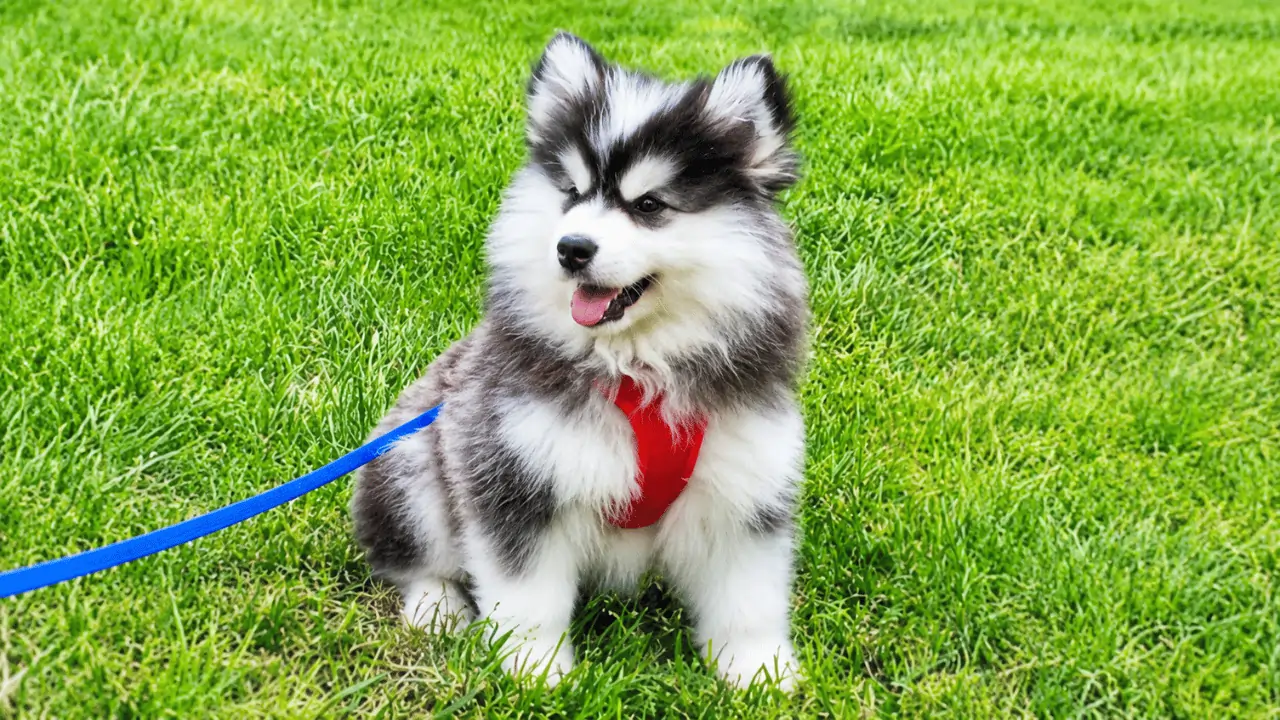
No two pomerusky dogs grow into identical adults. Genetics from both parent breeds influence coat color, facial markings, body shape, and even personality.
Coat and Color Patterns
Most dogs develop a thick double coat that protects them during cold weather. Common coat colors include:
- Black and white
- Gray and white
- Cream
- Red
- Sable
- Brown
- Solid white
Some inherit dramatic Husky-style masks around the eyes, while others resemble an oversized Pomeranian with softer facial features.
Size and Build
A healthy adult pomerusky usually measures between 10 and 15 inches in height and weighs roughly 15 to 35 pounds. Body structure depends on inherited traits, so one dog may appear lean and athletic while another develops a stockier frame.
Their curled tail, upright ears, and expressive eyes create an appearance that remains puppy-like well into adulthood.
Personality Comes Before Appearance
Choosing a pomerusky based only on appearance often leads to disappointment. Personality has a much bigger impact on daily life.
This breed enjoys being involved in household routines. Whether someone is cooking, working in the garden, or relaxing in the living room, a pomerusky usually wants to stay nearby.
Curiosity drives much of its behavior. It prefers exploring new environments instead of repeating the same routine every day. Interactive toys, short training sessions, and changing walking routes help keep that curiosity satisfied.
Intelligence That Needs Direction
A pomerusky learns commands surprisingly quickly when training stays consistent and rewarding.
Simple lessons repeated every day produce better results than long weekend training sessions. Positive reinforcement encourages cooperation, while harsh corrections often create stubborn responses.
Teaching practical commands such as “come,” “leave it,” “stay,” and “place” early in life builds confidence and makes everyday situations easier to manage.
Exercise Is the Foundation of Good Behavior
Owners sometimes assume a smaller dog requires little exercise. A pomerusky quickly proves otherwise.
Regular activity supports physical health, but it also prevents boredom. Dogs that receive enough exercise usually remain calmer inside the home.
A balanced daily routine often includes:
- A brisk morning walk
- Interactive games during the afternoon
- Short obedience practice
- Evening playtime
- Puzzle toys for mental stimulation
Mental exercise deserves just as much attention as physical movement. Solving simple problems keeps an intelligent dog engaged and reduces destructive habits.
Grooming Is a Weekly Responsibility, Not an Occasional Task
The thick coat gives a pomerusky much of its appeal, but it also creates regular maintenance.
Brushing once or twice each week removes loose hair before it spreads through the home. During seasonal shedding, daily brushing becomes far more effective.
Routine grooming should also include nail trimming, ear cleaning, and dental care. These small habits prevent larger health issues later and help the dog remain comfortable throughout the year.
Owners who stay consistent with grooming usually spend less time dealing with tangled fur and excessive shedding indoors.
Living With a pomerusky in Different Types of Homes
A pomerusky can settle into different living environments as long as its daily needs are met. The size of the house matters far less than the owner’s willingness to provide exercise, structure, and attention.
Apartment living is possible, but only if the dog gets enough time outdoors every day. A quick trip outside for bathroom breaks is not enough. Long walks, active games, and regular mental challenges help prevent boredom inside smaller spaces.
Homes with secure yards offer extra room to play, but a yard should never replace daily interaction. A pomerusky prefers spending time with its family instead of being left alone outside for hours.
Time Alone Should Be Limited
This breed forms strong bonds with its household and often dislikes being left alone for long periods.
When isolation becomes part of the daily routine, unwanted habits can develop, including:
- Constant barking
- Chewing furniture
- Digging
- Scratching at doors
- Separation anxiety
Creating a predictable schedule and leaving interactive toys behind can make alone time easier, but companionship remains one of this breed’s biggest needs.
Feeding a pomerusky for Long-Term Health
A healthy diet has a direct effect on energy, coat quality, body weight, and overall wellbeing.
Choose food that lists quality animal protein among the first ingredients. Puppies need meals designed for growth, while adult dogs require portions that match their activity level.
Fresh drinking water should always be available.
Treats work well during training, although they should remain a small part of the daily calorie intake. Overfeeding can lead to unnecessary weight gain, placing extra pressure on joints and reducing mobility later in life.
Owners should also avoid feeding cooked bones, chocolate, grapes, onions, and foods containing xylitol because they can seriously harm dogs.
Common Health Conditions Every Owner Should Know
No breed is completely free from health concerns, and a pomerusky is no exception.
Routine veterinary care plays an important role in detecting problems before they become serious.
Conditions that deserve attention include:
Hip Dysplasia
This joint condition can affect movement and may become more noticeable as the dog ages. Maintaining a healthy weight helps reduce stress on the hips.
Patellar Luxation
The kneecap may shift from its normal position, causing discomfort or an unusual walking pattern.
Eye Disorders
Bright eyes are one of the breed’s defining features, but regular examinations help identify inherited eye problems before they progress.
Dental Disease
Smaller dogs often develop dental issues earlier than expected. Brushing teeth several times each week and providing dental chews help maintain oral health.
Skin Allergies
Persistent scratching, redness, or irritated skin should never be ignored. Early treatment prevents minor irritation from becoming a long-term problem.
With responsible care, regular exercise, and proper nutrition, a pomerusky commonly enjoys a lifespan of around 12 to 15 years.
Training Builds Confidence Instead of Control
Training should focus on communication rather than domination.
A pomerusky responds best when learning becomes rewarding and consistent. Short sessions held several times each week usually produce stronger results than occasional lengthy lessons.
Early socialization deserves just as much attention as obedience training.
Introduce the puppy to:
- Different people
- Friendly dogs
- Everyday traffic sounds
- Public parks
- Car journeys
- New environments
Positive experiences during puppyhood often shape a calmer and more confident adult dog.
Commands Worth Teaching Early
Every pomerusky benefits from mastering practical commands that improve safety and daily life.
Priority commands include:
- Sit
- Stay
- Come
- Leave it
- Drop it
- Heel
- Place
Reliable recall becomes especially valuable because curiosity sometimes encourages this breed to investigate interesting scents or moving animals.
Is a pomerusky a Good Choice for Families?
For active families, the answer is often yes.
A pomerusky enjoys participating in everyday activities instead of simply watching from the sidelines.
Older children usually develop strong relationships with the breed because they understand how to play respectfully and follow household rules.
Very young children should always be supervised around any dog, regardless of breed.
Families who include their dog in walks, weekend outings, and outdoor activities usually see better behavior than households expecting independent entertainment.
Choosing a Healthy Puppy
Buying a puppy should never become an impulsive decision.
Responsible breeders willingly discuss health testing, vaccination records, and the personalities of both parent dogs.
Take time to observe the puppies rather than selecting the first one that approaches.
A healthy puppy should appear:
- Alert
- Curious
- Comfortable around people
- Clean
- Bright-eyed
- Free from obvious breathing difficulties
Avoid breeders who refuse questions, keep puppies in poor conditions, or pressure buyers into making immediate decisions.
The Financial Commitment Extends Beyond the Purchase Price
The initial purchase often receives the most attention, yet it represents only one part of the total cost.
Owning a pomerusky also includes ongoing expenses such as:
- Quality food
- Routine veterinary visits
- Vaccinations
- Grooming supplies
- Training classes
- Flea and tick prevention
- Toys
- Emergency medical care
Planning these costs in advance makes ownership far less stressful over the coming years.
Final Thoughts
A pomerusky is not the right dog for someone searching for the easiest pet to manage. It asks for time, patience, exercise, and steady training. In return, it offers intelligence, loyalty, playful energy, and a personality that keeps everyday life interesting. Owners who stay committed to those responsibilities often discover that the strongest bond comes from the effort invested, not simply from the dog’s remarkable appearance.
Frequently Asked Questions
1. Does a pomerusky enjoy swimming?
Some do, while others avoid water completely. Early, positive introductions help determine whether an individual dog becomes comfortable around lakes, pools, or beaches.
2. At what age does a pomerusky reach full size?
Most dogs reach their full height between 10 and 12 months, although muscle development and coat maturity may continue for several more months.
3. Can a pomerusky travel well in a car?
Yes. Puppies introduced to short car rides early often become confident travelers. Using a secure travel crate or safety harness improves comfort and safety.
4. How much shedding should owners expect?
Seasonal shedding can be heavy because of the thick double coat. Regular brushing removes loose fur before it spreads throughout the home.
5. Is a pomerusky suitable for first-time dog owners?
It can be, provided the owner is prepared for consistent training, daily exercise, and regular grooming. People willing to invest time usually have a much better experience than those expecting an easy-care companion.
Read More: Seo By Highsoftware99.com: Technical SEO, Semantic SEO, and Content Strategy Guide