









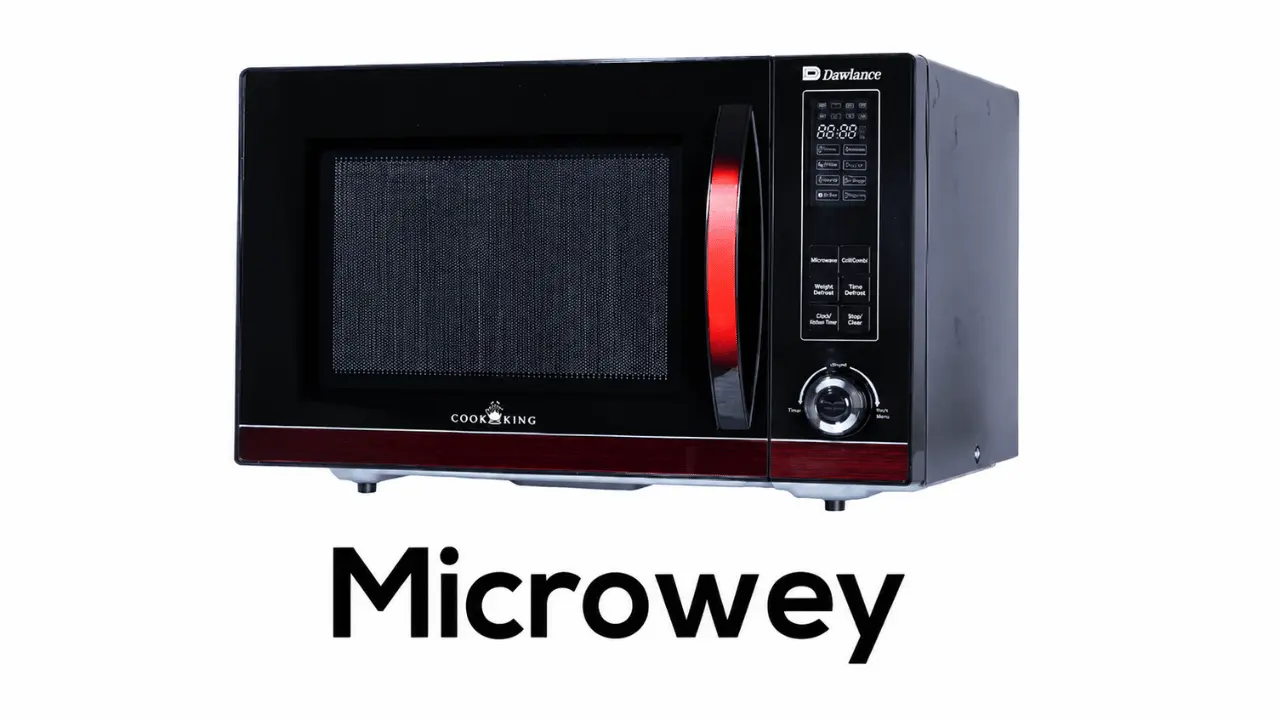
Introduction
A busy kitchen doesn’t need more gadgets. It needs tools that earn their space every single day. That’s where microwey stands out. It handles quick breakfasts, reheats leftovers without much effort, helps prepare frozen meals, and supports everyday cooking without turning simple tasks into lengthy routines. People often judge it only by how quickly it heats food, but that overlooks how useful it has become for daily meal preparation. With the right habits, microwey delivers reliable results while saving both time and energy.
Why microwey Continues to Be a Smart Kitchen Choice
Kitchen trends change every few years, yet microwey remains one of the most practical appliances available. It serves students living in small apartments, working professionals with packed schedules, parents preparing family meals, and older adults who want a straightforward way to cook or reheat food.
The biggest advantage isn’t simply speed. It is consistency. Heating soup, steaming vegetables, melting butter, or warming yesterday’s dinner requires very little preparation. Instead of waiting for a full-size oven to preheat, microwey gets straight to work.
That convenience becomes even more valuable during busy weekdays when every minute counts.
How microwey Heats Food Efficiently
Microwave cooking works by sending electromagnetic waves into food. Those waves interact mainly with water molecules, causing them to move rapidly and generate heat. Since most foods contain moisture, the heating process begins almost immediately.
Unlike a conventional oven that heats the surrounding air before warming the food, microwey focuses energy directly where it is needed. This reduces cooking time for everyday tasks such as reheating cooked rice, warming beverages, softening butter, or defrosting frozen ingredients.
Heat still spreads naturally through thicker foods, which is why stirring or rotating meals halfway through cooking usually produces better results.
Everyday Tasks That microwey Handles Well
People often underestimate how much they can prepare with microwey. It performs especially well for routine cooking jobs that don’t require long baking times.
Reheating Leftovers
Leftover pasta, curries, soups, casseroles, and cooked vegetables warm quickly without using unnecessary electricity.
Defrosting Frozen Foods
Many models include dedicated defrost settings that gradually thaw meat, seafood, bread, and vegetables while reducing the risk of partially cooking the outer layer.
Steaming Vegetables
Fresh broccoli, carrots, green beans, peas, and spinach cook in just a few minutes when placed in a microwave-safe container with a small amount of water.
Preparing Quick Meals
Instant oatmeal, ready-made meals, popcorn, baked potatoes, scrambled eggs in microwave-safe dishes, and simple mug recipes can all be prepared efficiently using microwey.
Features Worth Paying For
Every manufacturer advertises long feature lists, but only a few upgrades genuinely improve everyday cooking.
Sensor Cooking
Sensor cooking detects the amount of steam released during heating and adjusts cooking time automatically. Instead of guessing how long leftovers need, the appliance makes small adjustments on its own.
Inverter Technology
Traditional microwave ovens cycle between full power and no power. Inverter technology supplies a steady level of energy, allowing sauces, fish, vegetables, and delicate foods to cook more evenly.
Convection Cooking
Some microwey models combine microwave heating with convection baking. This makes it possible to roast vegetables, bake cookies, prepare pizzas, and cook chicken with improved texture compared to microwave heating alone.
Child Safety Lock
Families with young children benefit from a child lock feature that prevents accidental operation.
Automatic Programs
Preset cooking options simplify common tasks by automatically selecting suitable cooking times and power levels for popular foods.
Choosing the Right microwey for Your Home
The best appliance isn’t always the largest or most expensive. Choosing wisely depends on how it will actually be used.
A compact unit works well in offices, dormitories, or smaller kitchens where space is limited.
Medium-capacity models satisfy most households because they comfortably fit dinner plates, serving bowls, and microwave-safe cookware.
Larger families may prefer higher-capacity models that accommodate casserole dishes and larger containers.
Power rating also matters. Units between 900 and 1200 watts usually provide a good balance between cooking speed and energy use.
Pay attention to interior dimensions rather than exterior size. A larger cavity often makes everyday cooking much easier.
Common Mistakes That Affect Cooking Results
People often blame the appliance when poor cooking habits are actually responsible.
One of the biggest mistakes is placing food in a thick pile. Heat cannot spread evenly through dense portions, leaving the center cooler than the edges.
Another common mistake is skipping the stirring step. Sauces, soups, and pasta benefit from being stirred halfway through cooking to eliminate hot and cold spots.
Ignoring standing time is another issue. Food continues distributing heat after the timer stops, so allowing it to rest for one or two minutes often improves the final result.
Metal containers should never be placed inside microwey unless the manufacturer specifically states otherwise.
Heating completely sealed containers can also become dangerous because steam pressure builds rapidly.
Microwave-Safe Cookware Makes a Difference
The container used during cooking matters almost as much as the appliance itself.
Glass dishes remain one of the safest choices because they resist heat and do not react with food.
Ceramic cookware labeled microwave safe also performs well.
Plastic containers should always display a microwave-safe label. Older or damaged plastic containers should be replaced because repeated heating may weaken the material.
Paper towels can cover certain foods to reduce splatter, while microwave-safe lids help retain moisture during cooking.
Choosing suitable cookware improves heating consistency and simplifies cleanup afterward.
Simple Habits That Produce Better Meals
Small adjustments often deliver better improvements than purchasing a newer appliance.
Arrange food evenly across the plate instead of stacking it.
Cover dishes loosely to retain moisture without trapping excessive steam.
Rotate larger plates if the appliance does not include a turntable.
Use medium power for delicate foods instead of selecting maximum power every time.
Allow food to rest briefly before serving.
These habits help microwey produce more even cooking while preserving texture and flavor.
Cleaning microwey the Right Way
Regular cleaning prevents stubborn stains, unpleasant odors, and reduced performance.
A damp microfiber cloth removes fresh spills before they harden.
Heating a bowl containing water and lemon slices for several minutes creates steam that loosens dried food particles, making cleanup much easier.
Wash the glass turntable regularly because food residue often collects underneath it.
Inspect the door seal occasionally to ensure it remains clean and undamaged.
Keeping the ventilation openings free from dust also helps maintain efficient operation.
Only a few minutes of maintenance each week can extend the appliance’s useful life considerably.
Energy Efficiency Compared With Traditional Cooking
Electric ovens consume energy for preheating before cooking even begins. That makes them less practical for reheating individual meals or preparing small portions.
Microwey completes short cooking tasks much faster, reducing total electricity consumption in many everyday situations.
For reheating leftovers, warming beverages, steaming vegetables, or defrosting frozen ingredients, using a microwave is often more energy efficient than operating a full-size oven.
Large baking projects, roasted meats, and foods requiring crisp finishes still benefit from conventional cooking methods, but daily meal preparation often favors microwey because of its speed and efficiency.
Safety Tips Every Household Should Follow
Safe cooking habits protect both the appliance and the people using it.
Never operate microwey when it is empty.
Always use microwave-safe containers.
Avoid aluminum foil and metal utensils unless specifically approved.
Pierce foods with thick skins, such as potatoes, before cooking to release steam.
Handle heated containers carefully because they may become extremely hot.
Keep the interior clean to prevent food buildup from affecting performance.
Reading the manufacturer’s instructions also helps users understand the capabilities and limitations of their particular model.
Why microwey Remains a Practical Investment
The value of microwey comes from everyday usefulness rather than flashy technology. It shortens cooking times, reduces unnecessary energy use for small meals, simplifies food preparation, and supports busy lifestyles without demanding complicated operation.
People who learn how to use it properly usually discover that it becomes one of the most frequently used appliances in the kitchen. It doesn’t replace every cooking method, nor should it. Instead, it handles the jobs it was designed for exceptionally well. Choosing the right model, using suitable cookware, and following a few simple cooking habits will help microwey deliver dependable performance for years.
FAQs
1. Can microwey cook fresh vegetables without losing their texture?
Yes. Using short cooking times with a small amount of water helps vegetables stay tender while retaining much of their natural texture.
2. Is higher wattage always the better option?
Not necessarily. Higher wattage cooks faster, but the right choice depends on your cooking habits, kitchen space, and the foods you prepare most often.
3. How often should microwey be cleaned?
A quick wipe after daily use and a deeper cleaning once each week usually prevents stains, odors, and food buildup.
4. Why should food be stirred during cooking?
Stirring distributes heat more evenly, reducing cold spots and improving the final texture of soups, sauces, pasta, and other prepared meals.
5. Can microwey replace a conventional oven?
For reheating, defrosting, steaming, and quick meals, it performs exceptionally well. Traditional ovens remain the better choice for foods that require baking, roasting, or crisp browning.
Read More: Emarand: Business Growth, Brand Value and Industry Insights