









Introduction
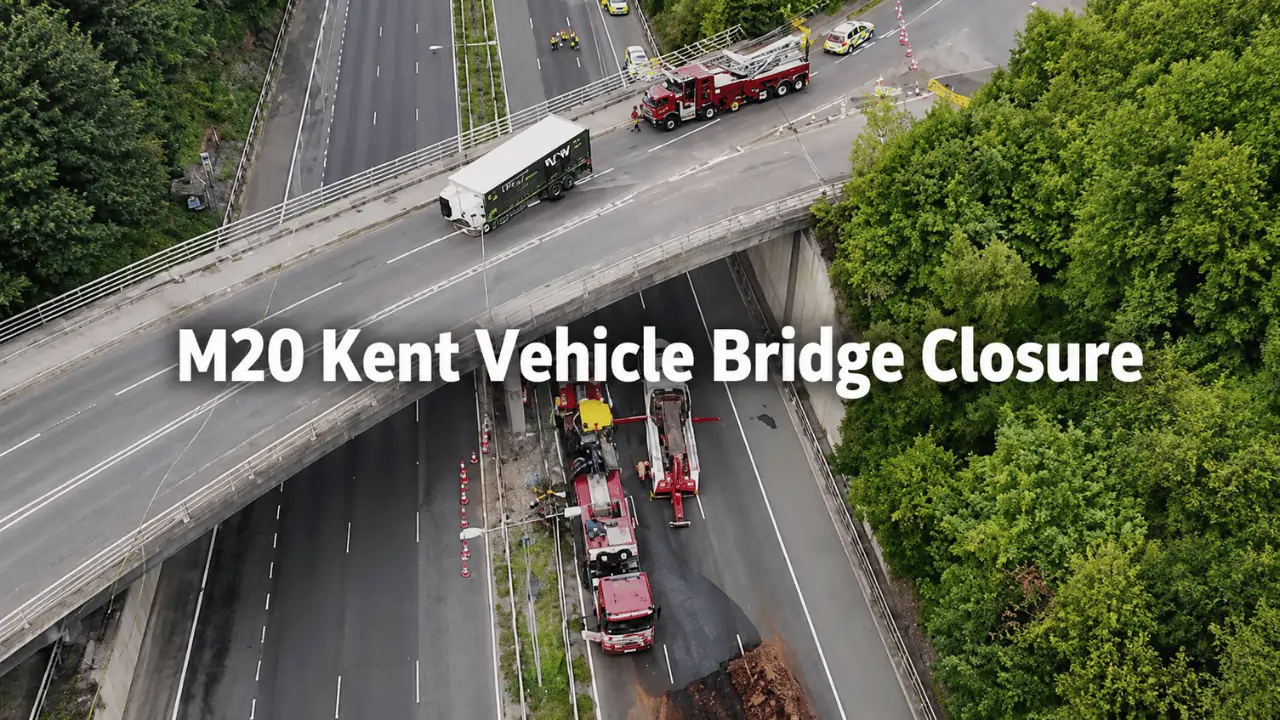
Ignoring an m20 kent vehicle bridge closure is one of the easiest ways to turn a simple journey into an exhausting one. Drivers often assume a short diversion or a few minutes of delay won’t make much difference, but closures on the M20 regularly affect traffic far beyond the work site itself. Whether you’re commuting, heading towards the coast, or travelling to the Port of Dover, knowing what’s happening before you leave can save both time and frustration.
Why the M20 Is One of Kent’s Most Important Roads
The M20 is one of the busiest motorways in southeast England. It connects London with Maidstone, Ashford and Folkestone before continuing towards the Channel Tunnel and routes serving the Port of Dover. Every day, thousands of commuters, holidaymakers and freight vehicles depend on this motorway.
Because the M20 plays such an important role in moving people and goods, even a single bridge closure can create delays across neighbouring roads. Local routes quickly become busier as traffic leaves the motorway, while congestion can spread several junctions away from the original closure.
That is why an m20 kent vehicle bridge closure attracts attention from both local residents and long-distance drivers.
Why Bridge Closures Happen
Not every bridge closure signals an emergency.
Most closures are planned well in advance to allow engineers to carry out maintenance that keeps the motorway safe for everyone. These projects often include resurfacing bridge decks, replacing expansion joints, repairing drainage systems, strengthening concrete structures and installing new safety barriers.
Routine inspections are another common reason. Engineers regularly assess bridges for signs of wear caused by constant traffic, changing weather conditions and ageing materials. Catching problems early prevents larger repairs later.
Emergency closures can also happen without warning. Road traffic collisions, vehicles striking bridge structures, fuel spills or damaged safety barriers may require immediate action before the road can safely reopen.
An m20 kent vehicle bridge closure caused by emergency repairs is usually more disruptive than scheduled maintenance because there is little time for drivers to plan alternative routes.
Planned Maintenance Prevents Bigger Problems
Roadworks rarely receive praise, but they are usually the better option.
Replacing worn bridge components during scheduled overnight closures helps prevent unexpected structural failures that could force much longer disruptions. Waiting until damage becomes severe would increase repair costs and create greater inconvenience for motorists.
National maintenance programmes regularly include bridge refurbishment, carriageway improvements and structural surveys along sections of the M20. These projects are designed to keep traffic moving safely for years to come.
Drivers may not enjoy temporary closures, but preventive maintenance reduces the risk of lengthy emergency repairs in the future.
How Traffic Is Affected
An m20 kent vehicle bridge closure does not only affect the bridge itself.
Traffic often begins slowing several miles before the closure point as vehicles merge into fewer lanes or prepare to leave the motorway. Nearby junctions become busier, while local roads experience increased traffic from diverted vehicles.
Morning and evening commuting periods usually see the greatest impact because traffic volumes are already high. During school holidays or bank holiday weekends, delays can become even longer as holiday traffic combines with freight movement towards the coast.
Heavy goods vehicles add another challenge. Since the M20 serves international freight travelling between the United Kingdom and mainland Europe, any reduction in motorway capacity can quickly lead to longer queues.
Official Diversions Are Usually the Best Choice
Many drivers immediately search for shortcuts using navigation apps. That approach does not always produce the fastest journey.
Official diversion routes are carefully planned using roads capable of handling increased traffic. They also consider bridge heights, road widths, emergency access and nearby residential areas.
Depending on where the closure occurs, traffic may be redirected along sections of the A20, M2 or other approved routes. These diversions are designed to keep traffic flowing as efficiently as possible while allowing engineers to work safely.
Following motorway diversion signs often proves more reliable than attempting to avoid traffic through unfamiliar villages or narrow country roads.
Local Communities Feel the Effects Too
An m20 kent vehicle bridge closure influences more than motorway users.
Communities located near diversion routes often experience heavier traffic, longer queues at junctions and increased noise throughout the closure period. School buses, local businesses and emergency services must all continue operating while additional vehicles pass through their area.
This is one reason why major bridge works are frequently scheduled overnight. Although overnight closures are inconvenient for some travellers, they reduce disruption for residents during the busiest hours of the day.
The Role of Operation Brock
Anyone who regularly travels through Kent has probably heard of Operation Brock.
This traffic management system helps manage freight traffic during periods of cross-Channel disruption. It allows heavy goods vehicles and other motorway traffic to continue moving when demand increases around the Port of Dover and the Channel Tunnel.
If an m20 kent vehicle bridge closure takes place while Operation Brock is active, traffic conditions may become more challenging. Drivers should expect slower journeys and allow extra travel time before setting off.
Planning ahead becomes especially valuable during these periods because delays can extend beyond the immediate closure area.
Simple Steps Before Starting Your Journey
Checking traffic information before leaving home only takes a few minutes, yet it can prevent hours of unnecessary delay.
If an m20 kent vehicle bridge closure has been announced, consider adjusting your departure time where possible. Travelling slightly earlier or later may help you avoid the busiest traffic.
Make sure your vehicle has enough fuel before joining the motorway. Unexpected congestion can increase journey times considerably, especially when diversion routes become busy.
Drivers should also avoid making sudden lane changes near closure points. Remaining in the correct lane early helps traffic flow more smoothly and reduces the risk of collisions.
Staying Safe Near Roadworks
Temporary speed limits exist for a reason.
Road workers often operate close to moving traffic while repairing bridge structures, replacing barriers or resurfacing carriageways. Lower speeds provide drivers with more time to react and create a safer environment for everyone.
Keeping a sensible distance from the vehicle ahead also reduces the likelihood of sudden braking and secondary accidents, which frequently create delays that last much longer than the original roadworks.
Patience is one of the most valuable qualities a driver can bring to any motorway closure.
What Happens After the Bridge Reopens
Traffic rarely returns to normal the moment barriers are removed.
Vehicles already waiting in queues still need time to clear the affected section, while local roads used for diversions gradually return to normal traffic levels.
Drivers who expect instant improvements may still encounter congestion for some time after an m20 kent vehicle bridge closure officially ends.
Allowing extra time, even after reopening, often results in a less stressful journey.
Looking Ahead
The M20 will continue to require maintenance as traffic levels remain high and infrastructure ages. Bridges, safety barriers, drainage systems and carriageways all need regular attention to keep one of Kent’s busiest transport routes operating safely.
Although no driver welcomes delays, planned engineering work is far preferable to unexpected structural failures that could close the motorway for much longer. Preparing before travelling, following official diversions and allowing realistic journey times remain the smartest ways to deal with an m20 kent vehicle bridge closure.
The next time a closure is announced, treat it as useful information rather than an inconvenience. A few minutes of planning before leaving home can easily save an hour once you’re on the road.
Frequently Asked Questions
1. How can I find out about an m20 kent vehicle bridge closure before travelling?
Check official traffic updates on the day of your journey. Planned maintenance is often announced in advance, while emergency closures are updated as conditions change.
2. Are bridge closures always caused by accidents?
No. Most bridge closures are scheduled for inspections, resurfacing, structural repairs, barrier replacement or other maintenance designed to keep the motorway safe.
3. Will navigation apps always provide the fastest alternative route?
Not necessarily. Official diversion routes are planned with traffic capacity and safety in mind, so following motorway signs is often the better option.
4. Why does traffic remain heavy after the bridge has reopened?
Vehicles already caught in queues need time to clear the motorway. Congestion can continue for a while even after the closure has officially ended.
5. Can an m20 kent vehicle bridge closure affect roads away from the motorway?
Yes. Diversions often increase traffic on nearby A-roads and local streets, especially during busy commuting periods or holiday travel.
Read More: Messonde: A Practical Guide to Clear Communication and Smarter Decision-Making