









Introduction
A great meal rarely depends on expensive ingredients. More often, it comes down to using fresh ingredients at the right time, and koriandri proves that point every day in kitchens around the world. It can brighten a slow-cooked curry, give life to a simple salad, or bring balance to grilled meat without overpowering the rest of the dish. That flexibility is why experienced home cooks and professional chefs continue to keep koriandri within easy reach. When freshness matters, it earns its place on the cutting board instead of sitting untouched in the refrigerator.
Why koriandri Continues to Stand Out in Modern Kitchens
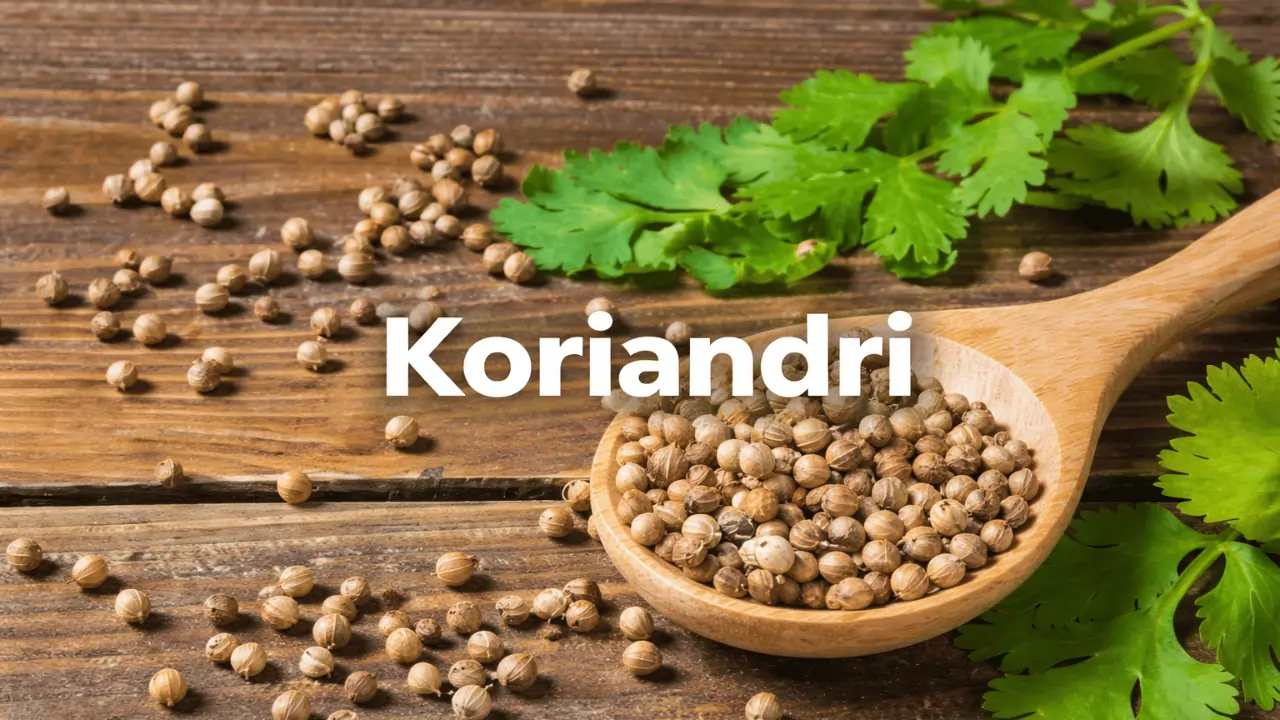
Cooking trends change every year, but koriandri has remained part of everyday recipes for centuries. Its fresh leaves and aromatic seeds offer two completely different flavor profiles, giving cooks more than one way to use the same plant.
Fresh leaves carry a bright, citrus-like character that pairs naturally with vegetables, seafood, poultry, and rice dishes. The seeds, once dried, develop a warm, slightly nutty flavor that works well in spice blends, roasted vegetables, marinades, and baked goods. This contrast makes koriandri one of the few herbs that contributes to both fresh and cooked recipes without feeling repetitive.
Unlike herbs that work well in only one style of cooking, koriandri fits comfortably into recipes from Asia, Europe, the Middle East, Latin America, and North Africa. That broad appeal has helped it remain a kitchen staple across generations.
A Rich Culinary History That Still Shapes Today’s Recipes
Long before modern cookbooks documented recipes, coriander was already valued for its flavor and aroma. Archaeological discoveries have found coriander seeds in ancient Egyptian tombs, showing that people appreciated the plant thousands of years ago.
As trade expanded across the Mediterranean and Asia, coriander spread into Greece, Rome, Persia, and the Indian subcontinent. Every region adapted it to local ingredients instead of treating it as a specialty herb.
Indian kitchens blended roasted coriander seeds into fragrant spice mixes that continue to define countless regional dishes. Middle Eastern cooks added fresh leaves to salads and yogurt-based sauces. Mediterranean recipes paired coriander with olive oil, citrus, and grilled vegetables, while Latin American cuisine embraced fresh koriandri in salsa, tacos, soups, and marinades.
The continued popularity of koriandri is built on practical cooking rather than tradition alone. It complements ingredients that people already use every day, making it easy to include in both simple meals and elaborate recipes.
Fresh Leaves and Seeds Create Completely Different Flavors
One of the biggest strengths of koriandri is that nearly every part of the plant has culinary value.
Fresh Leaves
Fresh koriandri leaves deliver a clean, lively flavor that works best near the end of cooking. Their aroma fades quickly when exposed to high heat for long periods, so experienced cooks usually add them just before serving.
A handful of chopped leaves can improve dishes such as:
- Vegetable curry
- Chicken soup
- Tomato salsa
- Lentil stew
- Rice pilaf
- Fresh green salads
- Noodle bowls
- Grilled shrimp
- Fish tacos
Instead of dominating the plate, fresh koriandri ties other ingredients together and adds brightness that heavier foods often need.
Coriander Seeds
The seeds provide a completely different experience.
Once dried, coriander seeds develop a gentle sweetness with subtle citrus notes. Toasting them in a dry pan before grinding releases natural oils that create a richer aroma.
Ground coriander is commonly added to:
- Curry powders
- Dry spice rubs
- Pickled vegetables
- Homemade sausage seasoning
- Bread dough
- Roasted potatoes
- Slow-cooked meat dishes
Because whole seeds retain their flavor longer than pre-ground spice, grinding them shortly before cooking often produces noticeably better results.
Nutritional Value That Goes Beyond Flavor
People usually reach for koriandri because it tastes good, but its nutritional profile adds another reason to include it regularly.
Fresh leaves contain vitamin K, an important nutrient involved in maintaining normal bone health and supporting blood clotting. They also provide vitamin C, vitamin A, potassium, calcium, and magnesium in smaller amounts.
The vibrant green color comes from natural plant compounds that contribute antioxidant activity. These compounds help protect plant cells, and diets rich in herbs, fruits, and vegetables naturally provide a wider mix of beneficial nutrients.
Coriander seeds offer dietary fiber along with aromatic plant oils responsible for their distinctive fragrance. While seeds are typically used in smaller amounts than fresh leaves, they still contribute flavor without adding significant calories.
No single herb replaces a balanced diet, but adding fresh herbs instead of relying on extra salt or heavy sauces is a practical habit that supports better everyday eating.
Where koriandri Makes the Greatest Difference
Not every recipe benefits equally from fresh herbs. koriandri performs best when it balances richness, spice, or acidity.
Spicy curries become more refreshing after chopped leaves are added at the end.
Creamy lentil soup gains freshness without losing its comforting texture.
Fresh salsa develops extra depth when tomatoes, onions, lime juice, and koriandri are combined shortly before serving.
Grilled fish benefits from the herb’s light citrus notes, while roasted chicken pairs naturally with chopped koriandri mixed into a garlic and lemon dressing.
Rice dishes also become more inviting with a final sprinkle of fresh leaves rather than relying solely on butter or additional seasoning.
The herb succeeds because it enhances existing flavors instead of competing against them.
Choosing Fresh koriandri at the Market
The quality of fresh herbs has a direct impact on finished recipes.
Look for bunches with bright green leaves, firm stems, and a fresh aroma. Healthy leaves should appear crisp rather than wilted or yellow.
Avoid bunches that show dark spots, excessive moisture, or slimy stems, as these signs often indicate poor storage or age.
If purchasing coriander seeds, choose whole seeds whenever possible. They maintain their aroma much longer than ground spice and can be toasted and crushed as needed for maximum flavor.
Selecting high-quality ingredients at the beginning often determines how successful the final dish will be.
Storing koriandri Without Losing Freshness
Fresh herbs lose quality quickly when stored carelessly, but a few simple habits can keep koriandri usable for several days.
Trim the ends of the stems and remove damaged leaves before storage. Wrap the stems loosely in a slightly damp paper towel and place the bunch inside a reusable storage container or plastic bag before refrigerating.
Another effective method is standing the stems in a small glass containing a little water while loosely covering the leaves with a storage bag. This helps maintain moisture without making the leaves soggy.
Wash koriandri only when it is ready to be used. Excess moisture during storage speeds up spoilage and shortens its shelf life.
Whole coriander seeds should be stored in an airtight container away from heat, sunlight, and humidity. Properly stored seeds retain their flavor for many months, while ground coriander loses its aroma much sooner.
Growing koriandri Successfully at Home
Growing fresh koriandri does not require a large garden or years of gardening experience. A sunny balcony, a backyard planter, or even a medium-sized pot on a windowsill can produce enough leaves for regular cooking.
Choose well-drained soil that does not stay waterlogged after watering. Sow seeds directly into the container because mature plants dislike being transplanted. Place the pot where it receives several hours of sunlight each day while protecting it from extreme afternoon heat during the hottest months.
Water the soil whenever the top layer begins to dry, but avoid soaking it constantly. Healthy roots grow best in moist soil rather than wet soil.
As the plants mature, harvest the outer leaves first instead of cutting the entire plant. This simple habit encourages continued growth and provides a longer harvesting season. If a few plants are allowed to flower naturally, they will eventually produce seeds that can be collected for future planting or cooking.
Home-grown koriandri often develops a fresher aroma than herbs that have spent days in transport and storage.
Common Cooking Mistakes That Reduce Flavor
Even high-quality ingredients can disappoint when handled carelessly. koriandri responds best to simple techniques rather than complicated preparation.
Adding Fresh Leaves Too Early
Fresh leaves lose much of their aroma during long cooking times. They should usually be added during the final minute of cooking or sprinkled over the finished dish.
Skipping the Toasting Step
Whole coriander seeds become more fragrant after being lightly toasted in a dry pan. Just one or two minutes over medium heat is enough to release their natural oils.
Using Old Ground Coriander
Ground spices gradually lose their aroma. Buying whole seeds and grinding only the amount needed produces noticeably better flavor.
Storing Wet Leaves
Putting freshly washed koriandri into the refrigerator without drying it properly often causes the leaves to spoil quickly. Pat them dry before storing if washing cannot be avoided.
Ingredients That Pair Naturally With koriandri
One reason koriandri remains popular is its ability to complement ingredients instead of competing with them.
Fresh lime juice highlights its bright flavor, making the combination ideal for grilled seafood, tacos, and fresh salads. Garlic and ginger create a balanced foundation for marinades and stir-fries, while onions and tomatoes work especially well in homemade salsa.
Yogurt-based sauces also benefit from chopped koriandri, particularly when served alongside grilled chicken, roasted vegetables, or kebabs.
Coconut milk curries gain freshness from the herb, preventing rich sauces from becoming too heavy. Chickpeas, lentils, avocado, cucumber, roasted carrots, and white fish also pair naturally with its fresh character.
On the spice side, coriander seeds blend well with cumin, black pepper, turmeric, fennel, cinnamon, paprika, and cardamom. These combinations appear repeatedly in traditional spice mixes because they create balanced layers of flavor instead of overwhelming the dish.
Understanding Why Opinions Differ
Few herbs create stronger opinions than koriandri.
While countless people enjoy its fresh aroma, a small percentage experience a distinctly soapy taste. Scientific research suggests that inherited genetic differences influence how certain aroma compounds are detected by the nose and taste receptors.
Neither reaction is right or wrong. It simply reflects differences in how people experience flavor.
For those who enjoy it, koriandri contributes brightness that is difficult to replace with another herb. For those who do not, alternatives such as flat-leaf parsley can provide freshness without the same flavor profile.
Understanding this difference explains why the herb inspires passionate opinions despite its widespread popularity.
Simple Ways to Use koriandri Every Week
Fresh herbs should become part of everyday cooking rather than being reserved for special occasions.
Stir chopped koriandri into scrambled eggs just before serving.
Mix it with olive oil, garlic, and lemon juice for a quick dressing over roasted vegetables.
Add fresh leaves to homemade wraps, sandwiches, or grain bowls for extra freshness.
Blend koriandri into green chutneys, yogurt dips, or herb sauces that can be prepared in advance and stored for several days.
Ground coriander seeds can season roasted potatoes, vegetable soups, grilled chicken, and homemade burgers without overpowering other ingredients.
Small additions often make ordinary meals feel more complete without adding complexity to the cooking process.
Why koriandri Has Earned Its Place Across Global Cuisine
Few herbs have adapted as successfully to different food cultures.
Indian cuisine relies on coriander seeds for spice blends and fresh leaves for finishing curries. Mexican cooking combines koriandri with tomatoes, onions, and chili peppers to build fresh salsa. Thai recipes use it in soups and noodle dishes, while Middle Eastern kitchens add it to salads, rice dishes, and grilled meats.
Mediterranean cooking pairs it with olive oil, citrus, beans, seafood, and seasonal vegetables.
These traditions developed independently over centuries, yet each recognized the same strength: koriandri brings freshness without masking the natural taste of the ingredients around it.
That universal appeal explains why it continues to appear in family recipes as well as restaurant kitchens across the world.
Conclusion
The value of koriandri goes far beyond appearance. It offers fresh leaves that brighten finished dishes, aromatic seeds that deepen spice blends, and enough versatility to fit comfortably into everyday meals from completely different culinary traditions. Learning when to add it, how to store it, and which ingredients complement its flavor makes a noticeable difference in the kitchen. Good cooking often depends on thoughtful choices rather than expensive ingredients, and koriandri continues to prove that every single day.
FAQs
1. Can koriandri be grown indoors throughout the year?
Yes. With adequate sunlight or a quality grow light, regular watering, and well-drained soil, koriandri can produce fresh leaves indoors during every season.
2. How long does fresh koriandri usually stay fresh after purchase?
When stored correctly in the refrigerator with lightly wrapped stems, fresh koriandri generally remains in good condition for about one week.
3. Should coriander seeds be ground before every recipe?
Grinding small amounts just before cooking preserves the strongest aroma and produces better flavor than using pre-ground coriander that has been stored for months.
4. Which dishes benefit the most from fresh koriandri?
Curries, soups, tacos, grilled seafood, roasted chicken, rice dishes, salads, chutneys, and fresh salsa are among the recipes where koriandri delivers the biggest improvement.
5. Is it possible to harvest koriandri more than once from the same plant?
Yes. Harvesting the outer leaves while leaving the center intact encourages continued growth, allowing the plant to produce fresh leaves repeatedly before it eventually flowers.