









Introduction
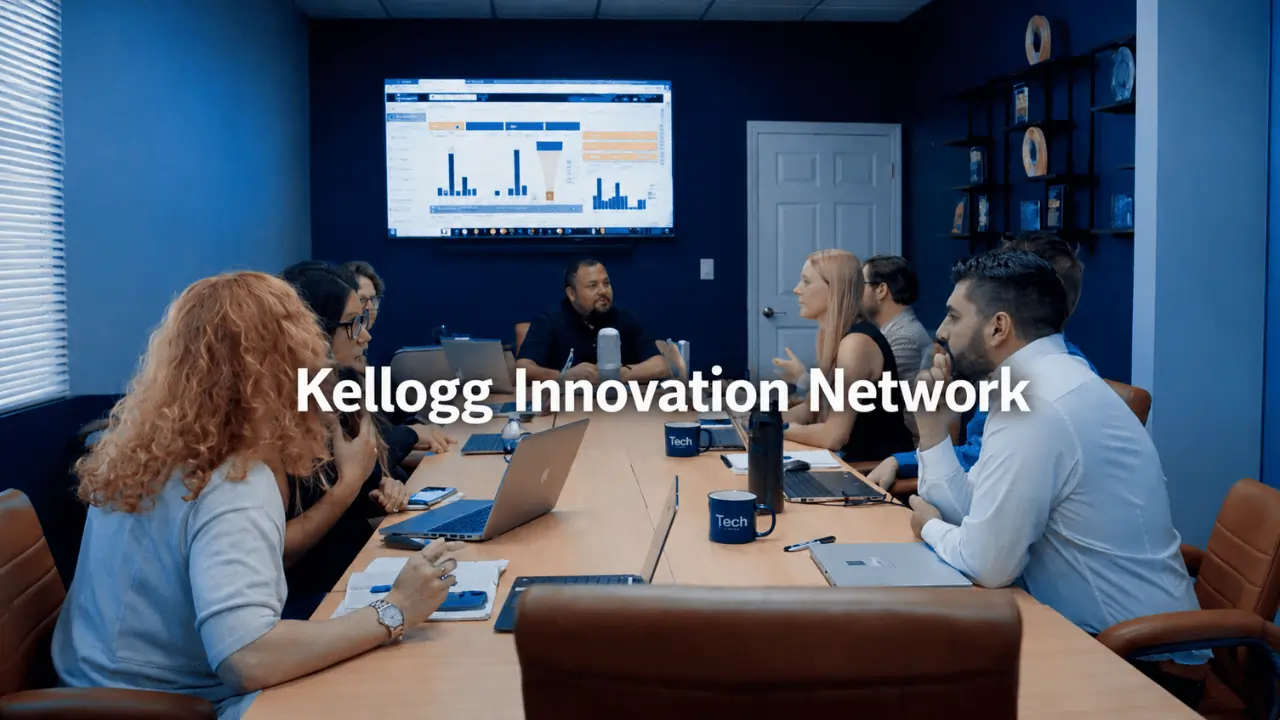
Business leaders rarely struggle because they lack information. They struggle because they hear the same opinions from the same circles. That is why kellogg innovation network continues to stand out. It creates space for conversations that challenge comfortable thinking instead of reinforcing it. When experienced executives, entrepreneurs, researchers, policymakers, and investors discuss the same problem from different viewpoints, the result is not just another conference discussion. It becomes a source of ideas that can shape decisions long after the meeting ends.
Companies that expect lasting success cannot rely only on internal knowledge. Markets change, technology develops quickly, and customer expectations rarely stand still. Leaders who are willing to learn beyond their own industries often make stronger strategic decisions, and that mindset sits at the heart of kellogg innovation network.
A Different Approach to Leadership Conversations
Most business events follow a familiar pattern. Speakers present polished success stories, audiences take notes, and everyone returns home with a few memorable quotes. That formula creates attention for a day but rarely changes how organizations think.
kellogg innovation network follows a different path.
Its discussions are built around participation rather than performance. Instead of treating attendees as spectators, the network encourages them to question ideas, challenge assumptions, and examine issues that do not have simple answers.
That approach creates a level of honesty that is difficult to find in traditional business conferences. Leaders are more willing to discuss uncertainty, emerging risks, and difficult choices when the goal is learning rather than publicity.
For organizations facing complex decisions, those conversations often become more valuable than any prepared presentation.
Why Cross-Industry Collaboration Produces Better Ideas
Innovation rarely appears inside one department or one industry. It usually develops when people with different experiences approach the same challenge together.
A healthcare executive may see operational problems differently from a technology entrepreneur.
An education specialist may identify workforce challenges that a manufacturing company has overlooked.
An investor may recognize financial risks that product designers never considered.
kellogg innovation network creates opportunities for these perspectives to meet. Instead of limiting discussions to one profession, it welcomes voices from business, government, education, research, finance, nonprofit organizations, and entrepreneurship.
That diversity improves the quality of decision-making because every participant contributes knowledge shaped by a different environment.
Companies that isolate themselves often repeat familiar ideas. Organizations that learn across industries are more likely to discover practical solutions that competitors fail to notice.
Long-Term Thinking Deserves More Attention
Short-term performance remains important, but leadership built only around quarterly results often misses larger changes.
Consumer behavior evolves.
Technology changes expectations.
Global markets shift.
New regulations influence investment decisions.
The organizations that remain competitive are usually those that prepare before change becomes unavoidable.
This long-term perspective has become one of the strongest characteristics associated with kellogg innovation network. Discussions are designed to explore where industries are heading rather than focusing only on immediate business concerns.
That difference matters because preparation creates opportunity, while reaction usually limits it.
Bringing Business and Education Together
Successful organizations understand that learning does not end with formal education.
Universities produce research that can influence business strategy. Companies generate practical experience that can improve academic thinking. When these two worlds remain disconnected, valuable knowledge stays trapped within separate institutions.
kellogg innovation network encourages dialogue between academic experts and business leaders because each group offers something the other cannot replace.
Researchers often introduce emerging ideas supported by years of study.
Executives contribute practical experience shaped by real markets, financial pressure, and customer expectations.
Together, those perspectives create discussions that balance theory with practical application.
That balance helps organizations evaluate opportunities with greater confidence.
Entrepreneurship Gains More Than Investment
Startup founders often search for funding before searching for perspective.
Capital matters, but it does not solve every challenge.
A founder may have an outstanding product while struggling with market timing.
Another business may attract customers quickly but encounter regulatory barriers during expansion.
International growth introduces cultural differences, legal requirements, hiring challenges, and operational risks that cannot be solved through investment alone.
The conversations encouraged through kellogg innovation network expose entrepreneurs to experienced leaders who have managed similar situations across different industries and markets.
That kind of access can prevent costly mistakes that rarely appear in business textbooks.
Leadership Means Asking Better Questions
Many organizations spend too much time searching for immediate answers.
Strong leadership begins with stronger questions.
Should expansion happen now or later?
Will technology improve customer trust or damage it?
Is rapid growth worth sacrificing organizational culture?
How should businesses respond to changing workforce expectations?
These questions cannot be answered by one department working alone.
They require input from people with different backgrounds and experiences.
This willingness to challenge assumptions instead of protecting them explains why thoughtful discussions remain one of the defining strengths of kellogg innovation network.
Leaders who continue asking difficult questions are often the same leaders who discover opportunities before everyone else notices them.
Artificial Intelligence Deserves Better Conversations Than Simple Predictions
Artificial intelligence has become one of the biggest discussion points in modern business, but the conversation often becomes too narrow. Companies rush to adopt new tools without asking whether those tools fit their long-term goals or the expectations of customers and employees.
The discussions encouraged through kellogg innovation network take a broader view. Technology is treated as one part of a larger business strategy rather than the strategy itself.
A healthcare organization, for example, cannot judge artificial intelligence only by efficiency. Patient privacy, medical ethics, legal responsibilities, and public confidence all influence whether a technology succeeds. Financial institutions face similar challenges. Faster decision-making has little value if customers lose trust in the process.
This balanced way of thinking helps organizations avoid chasing every new development while ignoring the practical questions that determine long-term success.
Businesses that pause to evaluate impact before making large investments often build stronger foundations than those driven only by speed.
Sustainability Has Become a Competitive Decision
Sustainability is no longer a separate topic discussed only by environmental specialists. It has become part of everyday business planning.
Energy costs affect manufacturing.
Consumer expectations influence product design.
Investors increasingly examine environmental responsibility before making financial commitments.
Governments continue introducing policies that encourage responsible business practices.
Ignoring these realities places organizations at a disadvantage.
The conversations surrounding kellogg innovation network recognize that sustainability is not about making symbolic promises. It is about creating businesses that remain financially strong while responding to changing market expectations.
That practical approach allows executives to examine difficult questions honestly.
How should companies reduce waste without increasing costs?
Where should investment priorities change?
Which environmental initiatives create measurable business value?
Those discussions encourage realistic decision-making instead of public relations campaigns.
Global Perspectives Create Smarter Local Decisions
Business no longer operates inside national borders, even for companies serving local customers.
A manufacturer may rely on international suppliers.
A technology startup can attract clients from different continents within months.
Economic policies introduced in one country often influence markets somewhere else.
Because of this reality, leadership benefits from international perspectives.
kellogg innovation network brings together participants with experience across different regions, industries, and economic environments. Their conversations allow ideas to be tested against situations that may not yet exist in another market but could appear in the future.
A business leader in North America may discover valuable lessons from healthcare innovation in Europe.
An entrepreneur in Asia may share digital payment strategies that inspire financial companies elsewhere.
These exchanges expand thinking beyond familiar business environments.
Organizations that understand global developments early are usually better prepared when change reaches their own markets.
Relationships Built on Trust Produce Better Outcomes
Networking has become one of the most overused words in business.
Collecting contact information rarely creates lasting value.
Meaningful relationships develop through trust, openness, and continued collaboration.
That difference explains why the atmosphere surrounding kellogg innovation network attracts experienced leaders who value thoughtful discussion instead of self-promotion.
People are more willing to share unfinished ideas when they know the conversation is built on respect rather than competition.
Executives openly discuss difficult decisions.
Researchers introduce findings that challenge established assumptions.
Entrepreneurs explain failures alongside successes instead of presenting only positive outcomes.
Those honest exchanges create stronger learning because they reflect the realities of leadership rather than carefully managed public images.
Trust also encourages long-term partnerships.
Ideas discussed during one meeting often develop into research projects, investment opportunities, business collaborations, or policy initiatives long after participants return to their organizations.
Preparing Leaders for an Uncertain Future
Every generation of business leaders faces challenges that previous generations could not predict.
Rapid advances in technology.
Changing workforce expectations.
Economic uncertainty.
Cybersecurity threats.
Climate-related business risks.
Political instability.
No single organization possesses every answer.
Leaders who actively seek outside perspectives are usually better equipped to adapt when unexpected events reshape their industries.
This willingness to continue learning has become one of the strongest characteristics associated with kellogg innovation network.
Rather than encouraging participants to defend existing beliefs, the discussions invite them to question assumptions, compare experiences, and evaluate different approaches before making important decisions.
That habit strengthens leadership far more than simply collecting new information.
The Influence Extends Beyond Individual Organizations
The impact of thoughtful collaboration reaches further than a single company.
When business leaders improve decision-making, employees benefit from stronger workplaces.
When entrepreneurs avoid costly mistakes, new businesses create jobs and economic activity.
When researchers connect with industry leaders, academic discoveries move into practical applications.
When policymakers understand commercial realities, public decisions become more informed.
These outcomes demonstrate why communities built around meaningful discussion continue attracting experienced professionals.
The influence of kellogg innovation network is measured less by headlines and more by the quality of relationships and ideas that continue developing after formal events conclude.
Its value lies in creating conversations that inspire practical action rather than temporary attention.
Conclusion
Leadership has never been about having every answer. It has always been about asking better questions, listening to informed perspectives, and making decisions with a wider understanding of the world.
That is why kellogg innovation network continues to earn respect among executives, entrepreneurs, researchers, and public leaders. It encourages conversations that cross industries, challenge assumptions, and connect people who might never otherwise share the same table.
Organizations that depend only on familiar thinking often struggle when markets change. Those willing to learn from different disciplines, cultures, and experiences are far better positioned to respond with confidence. The lasting strength of kellogg innovation network comes from that simple idea: meaningful progress begins when capable people are willing to think beyond the boundaries of their own industries.
Frequently Asked Questions
1. What makes kellogg innovation network different from a traditional business conference?
The focus is on continued collaboration and meaningful discussion rather than one-way presentations. Participants exchange ideas across industries and often continue those conversations after formal events have ended.
2. Why do executives value participation in kellogg innovation network?
Executives gain access to viewpoints from entrepreneurs, researchers, investors, educators, and policymakers, helping them evaluate business challenges from multiple angles before making strategic decisions.
3. Does kellogg innovation network discuss subjects beyond business strategy?
Yes. Discussions frequently include technology, healthcare, education, sustainability, leadership, public policy, entrepreneurship, and economic development because these areas increasingly influence one another.
4. How can entrepreneurs benefit from the ideas shared through kellogg innovation network?
Entrepreneurs can learn from experienced leaders, understand market challenges earlier, build valuable relationships, and discover practical insights that support stronger long-term business decisions.
5. Why is cross-industry collaboration important in today’s economy?
Complex business challenges rarely belong to one sector. Bringing together leaders from different industries encourages better problem-solving, broader thinking, and decisions that are informed by real-world experience from multiple fields.
Read More: Fiverrpal: Smart Freelance Workflow and Client Management Guide