








Introduction
The best information about valplekar comes from how the word is used in real life rather than from recycled internet myths. Discussions around valplekar usually focus on puppies, their natural behavior, and the role that play has during the earliest stages of development. While the subject has attracted online attention, its practical value has always been rooted in everyday dog care instead of complicated theories or branded methods.
What Makes valplekar Important During Puppy Development
Young dogs learn at an incredible pace during their first months of life. Every interaction teaches something new, whether it involves another puppy, a human, or a new environment. Valplekar is closely associated with these playful moments because they help shape behavior long before formal training begins.
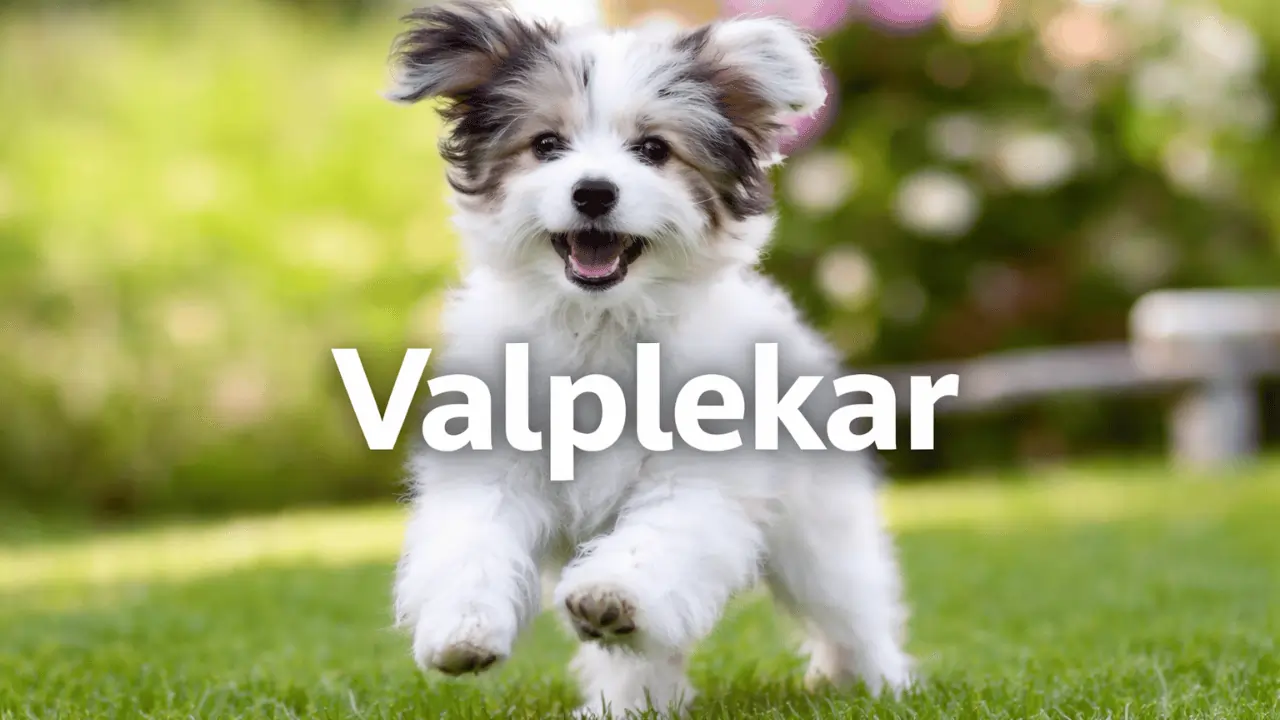
A playful chase across the yard, a gentle wrestling match between littermates, or a game involving toys all encourage physical coordination and emotional growth. These moments are not random. They help puppies understand how to react, communicate, and build confidence.
Owners who appreciate the value of valplekar often notice that puppies become more comfortable meeting unfamiliar people, exploring new places, and responding calmly to everyday situations.
Healthy Play Builds Lifelong Skills
Play does much more than keep a puppy active. It creates opportunities to learn lessons that are difficult to teach through commands alone.
Learning Bite Control
Puppies naturally use their mouths while playing. When one puppy bites too hard, another usually reacts by stopping the game or moving away. That immediate response teaches limits in a way that feels natural.
Over time, puppies develop better control over the strength of their bite, reducing the likelihood of rough behavior as they mature.
Understanding Social Signals
Dogs communicate through movement, posture, facial expressions, and timing. Healthy valplekar gives puppies repeated chances to practice those signals.
They learn when another puppy wants to continue playing, when it needs a break, and when excitement is becoming too intense. Those lessons support better behavior throughout adulthood.
Confidence Starts With Positive Experiences
Confidence is not created overnight. It develops through repeated positive experiences, especially during the first months of life.
A puppy that enjoys safe valplekar often becomes more willing to investigate unfamiliar surroundings. Walking across different surfaces, meeting calm adult dogs, hearing household sounds, and interacting with friendly people all contribute to emotional stability.
Owners sometimes underestimate these everyday experiences, yet they often influence behavior far more than lengthy training sessions.
The Owner’s Role During valplekar
Good supervision does not mean constant interruption.
Responsible owners allow puppies to interact naturally while watching for signs that play is becoming one-sided or stressful. Healthy sessions usually include pauses, changing roles, and relaxed body language.
Intervening only when necessary allows puppies to solve simple social situations on their own while still remaining safe.
Creating a secure environment also matters. Clean play areas, age-appropriate toys, fresh water, and positive experiences with other vaccinated dogs help puppies gain the greatest benefit from valplekar.
Everyday Activities That Support valplekar
Simple routines often provide the best opportunities for healthy development.
Short games of fetch encourage movement and attention.
Gentle tug games teach self-control when combined with clear rules.
Exploring parks, gardens, or quiet walking paths introduces puppies to new sights and sounds.
Puzzle toys encourage curiosity and problem-solving.
Meeting friendly dogs under supervision helps improve communication skills.
None of these activities need to last for hours. Regular short sessions are usually enough to keep learning enjoyable.
Common Mistakes Owners Should Avoid
One common mistake is expecting puppies to behave like adult dogs. Young dogs are naturally energetic, curious, and playful.
Another mistake is ending every play session too quickly because it looks rough. Healthy play often includes chasing, rolling, and playful wrestling. What matters is whether both puppies remain comfortable and willingly continue interacting.
Ignoring signs of fear is equally important to avoid. If one puppy repeatedly hides, freezes, or attempts to escape, the situation should be stopped rather than encouraged.
Balanced valplekar creates learning opportunities, while stressful interactions can reduce confidence.
valplekar Beyond Puppy Care
Valplekar also appears as an Indian surname, particularly in parts of western India. This family name has its own cultural background and is unrelated to Swedish discussions about puppy behavior.
Because both uses exist independently, context is important. Conversations involving dogs and animal care usually relate to the Swedish usage, while discussions about genealogy or family history may involve the surname.
Why Online Interest Has Increased
Online searches for valplekar have increased because people encounter the word in different contexts and want reliable information.
Unfortunately, not every article available online is accurate. Some websites present unsupported stories that connect valplekar with business strategies, lifestyle systems, or modern philosophies without providing credible evidence.
Looking at practical dog care and established language usage offers a far clearer understanding than repeating internet speculation.
Why Practical Experience Matters More Than Internet Myths
Anyone who has raised a litter of puppies understands that play is far more than entertainment. Every playful interaction teaches patience, communication, coordination, and confidence. Those lessons happen naturally without turning ordinary behavior into something mysterious.
Valplekar stands out because it reminds dog owners that healthy development begins with simple experiences repeated consistently. The strongest understanding comes from observing puppies themselves rather than chasing dramatic explanations that have little connection to everyday life.
Frequently Asked Questions
1. Is valplekar connected to professional dog training?
No. It is commonly discussed in relation to natural puppy play and early development rather than as a formal training program.
2. Can puppies learn social behavior through play?
Yes. Play allows puppies to practice communication, self-control, and appropriate interaction with other dogs.
3. Should owners interrupt every rough play session?
No. Healthy play often includes chasing and wrestling. Intervention is only needed when one puppy appears frightened, overwhelmed, or aggressive.
4. Does valplekar have more than one usage?
Yes. Besides its Swedish association with puppy play, Valplekar also exists as an Indian surname with a separate cultural background.
5. Why do online articles describe valplekar differently?
Because some websites repeat unsupported claims. Reliable information is based on established language usage and practical discussions about puppy development.
Read More: Stormuring: Framework, Benefits, Process, and Real-World Applications