









Introduction
The best ingredients rarely need expensive marketing. They earn a permanent place in the kitchen because they deliver consistent results, and pravi celer is one of them. From rich homemade soups to crisp salads and slow-cooked family meals, it contributes freshness, balance, and depth without overpowering other ingredients. People who cook regularly understand that small choices often make the biggest difference, and keeping pravi celer on hand is one of those choices that pays off throughout the week.
Why Pravi Celer Has Remained a Kitchen Essential
Food habits change with time, but dependable vegetables continue to hold their place on the table. Pravi celer has been valued across Balkan households for generations because nearly every part of the plant has a purpose. Instead of using only the stalks, experienced cooks make use of the leaves, root, and even the seeds whenever the recipe allows.
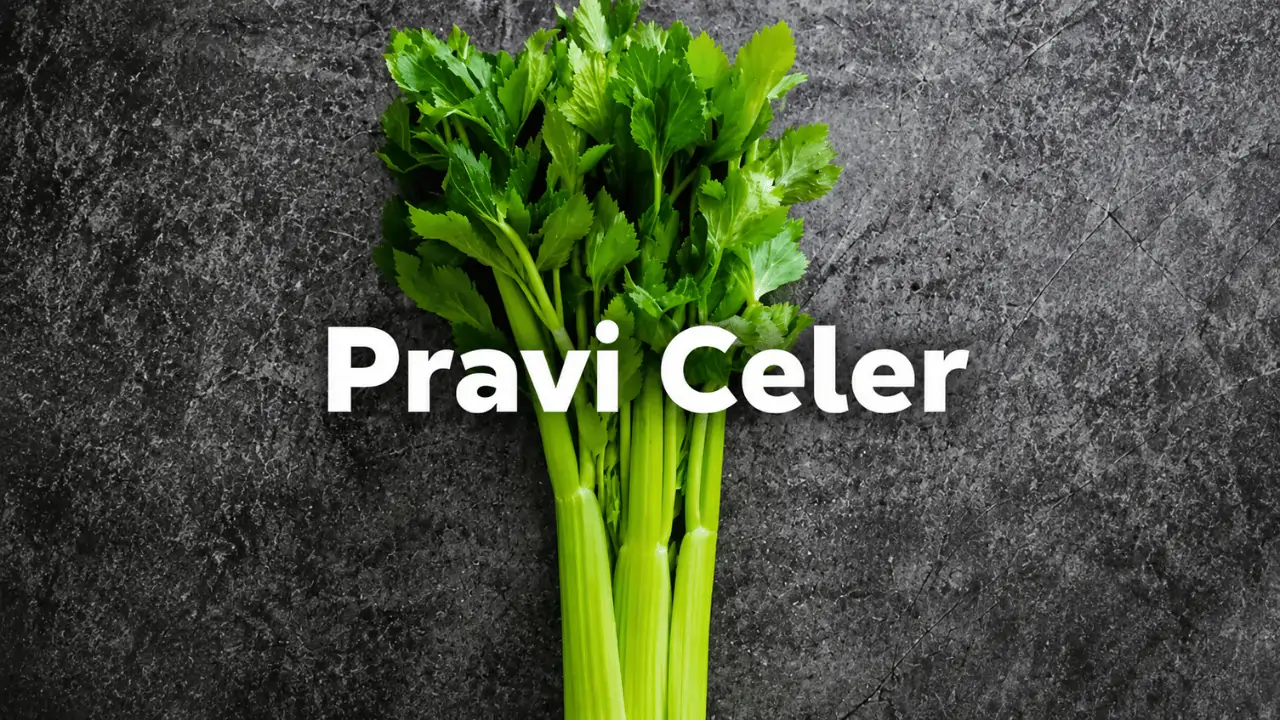
Fresh stalks add a clean, crisp bite to salads and sandwiches. The leaves carry a stronger herbal flavor that works beautifully in soups, broths, and homemade stocks. The root develops a rich, earthy sweetness when roasted, while celery seeds add depth to seasoning blends and pickled vegetables.
This practical approach makes pravi celer one of the least wasteful vegetables found in a home kitchen. Every usable part contributes something different, making it far more versatile than many people expect.
A Long History Built on Practical Cooking
Pravi celer has been cultivated throughout Europe for centuries, with strong roots in Mediterranean agriculture and traditional Balkan cuisine. Long before modern supermarkets existed, families relied on vegetables that could grow well in local conditions, store for extended periods, and improve simple meals without requiring expensive ingredients.
That tradition continues today. In Serbia, Croatia, Bosnia and Herzegovina, and neighboring countries, pravi celer remains a familiar ingredient in home cooking. Large pots of soup often begin with chopped onions, carrots, and celery cooked slowly together to create a flavorful foundation. Meat stews benefit from its natural freshness, while vegetable dishes become more balanced without relying on heavy seasonings.
The popularity of pravi celer has never depended on trends. It has survived because it consistently performs well in everyday recipes.
What Makes Pravi Celer Worth Buying Regularly
Every shopping trip involves choices, and practical ingredients deserve priority over products that are used once before being forgotten. Pravi celer fits into dozens of recipes without demanding extra effort.
A single bunch can be used across several meals. Chopped stalks add crunch to fresh salads. Finely diced celery blends naturally into pasta sauces. Leaves can be stirred into soups during the final minutes of cooking for a brighter herbal finish. The root becomes an excellent side dish when roasted with olive oil, garlic, and black pepper.
Few vegetables offer this level of flexibility while remaining affordable and easy to prepare.
Every Part Brings Something Different
Instead of treating celery as a vegetable with only one purpose, experienced cooks look at the entire plant.
- Stalks provide crisp texture in fresh dishes and cooked recipes.
- Leaves deliver concentrated flavor for soups, sauces, and stocks.
- Root creates hearty roasted or mashed side dishes.
- Seeds work well in spice blends, marinades, and pickling recipes.
Using the complete plant reduces food waste while expanding the number of meals that benefit from pravi celer.
Natural Nutrition That Supports Everyday Eating
Healthy meals do not depend on complicated ingredients. Pravi celer supplies valuable nutrients while fitting comfortably into everyday cooking.
It naturally contains vitamin K, which supports normal bone health and blood clotting. Vitamin C contributes to normal immune function, while folate plays an important role in healthy cell growth. Potassium supports normal muscle and nerve function, and dietary fiber helps maintain comfortable digestion.
Another advantage is its high water content. Meals prepared with pravi celer often feel lighter without sacrificing satisfaction, making it an easy choice for balanced eating habits.
Its low calorie content also allows generous portions in soups, salads, and vegetable-based meals without adding unnecessary calories.
Why Fresh Quality Makes a Noticeable Difference
Not every bunch of celery offers the same cooking experience. Fresh pravi celer should have firm stalks that snap easily instead of bending. The leaves should appear bright green without yellowing, and the root should feel solid with no soft spots.
Buying fresh produce improves both flavor and texture. Even the simplest soup tastes cleaner when prepared with fresh ingredients, and salads benefit from crisp celery that still holds its natural moisture.
Proper storage also matters. Refrigerating the stalks helps preserve freshness, while the root remains usable for longer when kept in a cool, dry place.
The difference between average and excellent cooking often starts with ingredient quality, and pravi celer is no exception.
How Pravi Celer Fits Into Everyday Cooking
One reason pravi celer has remained a reliable kitchen staple is its ability to work with almost every cooking style. It blends into recipes without taking over the dish, yet its presence is noticeable enough to improve the final result.
Soups are the most familiar choice, but they are only the beginning. Finely chopped stalks create a flavorful base for pasta sauces, casseroles, and rice dishes. When sautéed with onions and carrots, pravi celer develops a gentle sweetness that gives homemade meals greater depth.
Fresh salads benefit just as much. Thin slices mixed with cucumber, apples, walnuts, or leafy greens add a crisp texture that contrasts well with softer ingredients. A simple dressing of olive oil and lemon juice is often enough to let the natural flavor stand out.
The leaves deserve equal attention. Instead of discarding them, chop them finely and stir them into vegetable soups, herb butter, omelets, or homemade stocks. Their stronger flavor makes them surprisingly useful in recipes where ordinary herbs might disappear.
Making the Most of the Root
The root is often overlooked, even though it can become the highlight of an entire meal.
Roasting brings out its natural sweetness while creating a crisp exterior. Cut it into thick wedges, season with olive oil, garlic, black pepper, and thyme, then roast until golden brown.
For a smoother side dish, boil the peeled root until tender before mashing it with potatoes. The result is creamy, rich, and more flavorful than potatoes alone.
It can also be grated into fresh salads for extra texture or added to slow-cooked stews where it softens while releasing its earthy character into the broth.
Practical Health Benefits of Pravi Celer
Healthy eating does not depend on one ingredient, but adding nutrient-rich vegetables consistently makes a meaningful difference. Pravi celer supports that approach because it contributes valuable vitamins and minerals without making meals heavy.
Its vitamin K content supports normal bone health, while vitamin C contributes to normal immune function. Potassium helps maintain healthy muscle and nerve function, and dietary fiber supports digestion by adding bulk to everyday meals.
Another advantage is hydration. Because pravi celer contains a high percentage of water, it works especially well in fresh salads, soups, and vegetable juices during warmer months.
The natural antioxidants found in celery help protect cells from everyday oxidative stress. While no vegetable should be viewed as a cure for disease, including fresh vegetables regularly remains one of the simplest ways to improve overall dietary quality.
Growing Pravi Celer Successfully at Home
Home gardeners often consider celery challenging, but careful attention to growing conditions produces excellent results.
Pravi celer performs best in fertile soil enriched with compost or well-rotted organic matter. Consistent moisture is essential throughout the growing season because dry conditions can lead to tough, stringy stalks.
Cool temperatures encourage healthy development. In regions with hot summers, afternoon shade helps reduce stress on the plants. Regular watering keeps growth steady, while mulch helps retain soil moisture.
Spacing also matters. Crowded plants compete for nutrients and produce thinner stalks. Giving each plant enough room encourages stronger growth and healthier roots.
Patience is important. Celery grows more slowly than many common vegetables, but the final harvest rewards careful attention.
Harvesting at the Right Time
Harvesting too early reduces flavor and texture.
The stalks should feel firm and fully developed before cutting. Gardeners can remove the entire plant at once or harvest individual outer stalks while allowing the center to continue growing.
The root should remain solid and heavy, showing no signs of softness or damage. Freshly harvested pravi celer often has a brighter aroma than store-bought produce, making it especially satisfying for home cooks.
Common Mistakes That Reduce Flavor
Small mistakes can prevent pravi celer from reaching its full potential.
One of the most common is throwing away the leaves. They contain concentrated flavor that works exceptionally well in soups, sauces, and herb mixtures.
Overcooking is another problem. Extended boiling causes the stalks to lose both texture and freshness. Shorter cooking times preserve their character while still allowing them to soften.
Ignoring the root is equally unfortunate. Roasted celery root develops a completely different flavor from boiled stalks and deserves a place beside other roasted vegetables.
Seasoning should also remain balanced. Garlic, thyme, parsley, black pepper, lemon juice, butter, and olive oil complement pravi celer without masking its natural taste.
Storing Pravi Celer for Better Freshness
Proper storage extends both quality and usability.
Wrap fresh stalks loosely before placing them in the refrigerator. This helps reduce moisture loss while keeping them crisp for longer.
The leaves should be used within a few days for the best flavor, although they can also be chopped and frozen for later use in soups and stocks.
Celery root keeps longer than the stalks when stored in a cool, dry place. Once peeled or cut, it should be refrigerated and used promptly to maintain its texture.
Freezing is another practical option. Blanch chopped stalks briefly before freezing so they retain more of their quality during storage. Frozen pravi celer works particularly well in cooked recipes where crisp texture is not required.
Why Pravi Celer Continues to Earn a Place in Modern Kitchens
Convenience often shapes today’s cooking habits, yet the best ingredients are usually the ones that remain useful from the first meal to the last. Pravi celer is one of those dependable vegetables. It fits into quick weekday dinners, slow-cooked weekend recipes, fresh salads, homemade broths, and roasted side dishes without demanding complicated preparation.
That flexibility also makes shopping easier. Instead of buying ingredients that serve only one recipe, a single bunch of pravi celer can support several meals throughout the week. The stalks can be used fresh, the leaves can enrich soups and sauces, the root can become a satisfying side dish, and the seeds can add depth to homemade seasoning blends.
This practical value explains why experienced home cooks continue to keep it on hand regardless of changing food trends.
Pairing Pravi Celer With Everyday Ingredients
One of the strengths of pravi celer is how naturally it works with ingredients already found in most kitchens.
It pairs especially well with:
- Carrots and onions for soups and stews.
- Potatoes for creamy mashed vegetable dishes.
- Chicken and beef in slow-cooked meals.
- Apples and walnuts in crisp salads.
- Garlic, thyme, parsley, and black pepper for roasted recipes.
- Olive oil and lemon juice for simple fresh dishes.
These combinations allow the vegetable to complement a meal instead of competing with stronger flavors.
Simple Ways to Use Pravi Celer More Often
Adding pravi celer to everyday meals does not require changing the way you cook.
Dice it into pasta sauces for extra depth.
Add thin slices to sandwiches for freshness and crunch.
Mix chopped leaves into scrambled eggs or omelets.
Roast the root with seasonal vegetables.
Blend fresh stalks into homemade vegetable juice.
Stir chopped celery into rice before cooking to build flavor from the beginning.
Small habits like these help make better use of the entire plant while reducing unnecessary food waste.
Final Thoughts
Good cooking is rarely about expensive ingredients or complicated techniques. It is built on dependable foods that consistently improve everyday meals, and pravi celer has earned that reputation through generations of practical use.
Its crisp stalks, flavorful leaves, versatile root, and aromatic seeds all contribute something different, making it one of the few vegetables that offers genuine value from top to bottom. Combined with useful nutrients, reliable growing characteristics, and remarkable flexibility in the kitchen, it remains a smart choice for home cooks who care about both flavor and practicality.
Rather than treating pravi celer as an occasional ingredient, make it part of your regular shopping list. Once every part of the plant starts finding a place in your cooking, its value becomes obvious with every meal.
Frequently Asked Questions
1. Can I eat pravi celer raw every day?
Yes. Fresh pravi celer can be enjoyed daily as part of a balanced diet. The stalks are commonly added to salads, sandwiches, and vegetable platters, providing crisp texture along with fiber, vitamins, and hydration.
2. Which part of pravi celer has the strongest flavor?
The leaves usually deliver the boldest herbal flavor. They work especially well in homemade soups, broths, sauces, herb butter, and fresh garnishes where a stronger celery taste is desirable.
3. How do I know if pravi celer is fresh when shopping?
Choose bunches with firm, crisp stalks that snap easily when bent. The leaves should be bright green without yellowing, and the root should feel heavy and solid with no soft spots or signs of decay.
4. Can I freeze pravi celer for later use?
Yes. Chop the stalks into small pieces, blanch them briefly in boiling water, cool them quickly, and freeze them in airtight containers or freezer bags. Frozen pravi celer is ideal for soups, stews, casseroles, and sauces.
5. What foods pair best with pravi celer?
Pravi celer pairs naturally with carrots, onions, potatoes, garlic, parsley, thyme, apples, walnuts, chicken, beef, olive oil, butter, and lemon juice. These combinations highlight its fresh, earthy flavor while creating balanced and satisfying meals.
Read More: Koriandri: A Complete Guide to Cooking, Nutrition and Growing at Home