








Introduction
Weather becomes far easier to understand once you stop looking at a single city and start paying attention to where the air has been. That is exactly why wind blowing from finland deserves attention. It influences comfort, travel, farming, road conditions, and coastal weather across parts of Northern Europe. The impact is rarely dramatic every single day, yet when the pattern settles in, people notice the difference almost immediately. Crisp air, colder mornings, and changing conditions are often linked to the same regional movement that begins far to the north.
Finland’s Geography Gives Cold Air Room to Build
Finland occupies a unique position between the Arctic region and the Baltic Sea. Large forests, thousands of lakes, wide open landscapes, and long winter seasons create conditions where cold air can develop and remain stable for extended periods.
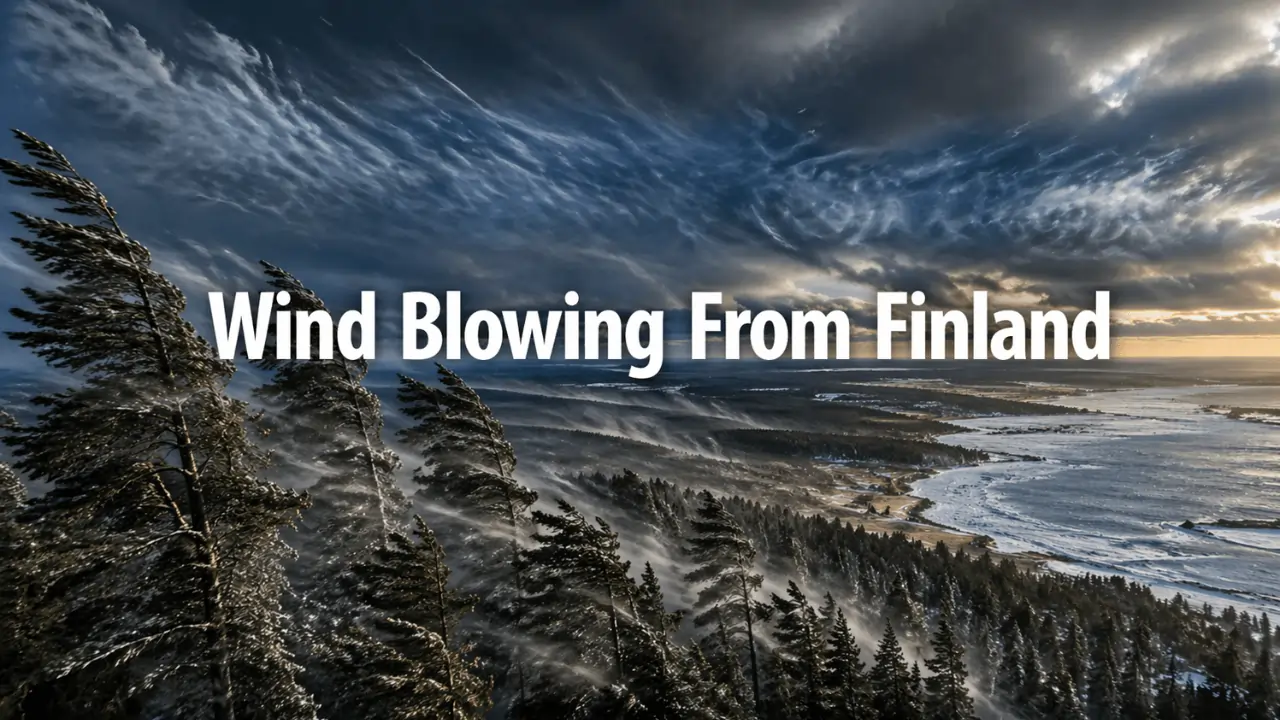
During winter, snow-covered ground reflects sunlight instead of absorbing it. That helps preserve lower temperatures across large areas. When pressure systems begin steering that air southward or westward, wind blowing from finland becomes part of a much larger weather pattern affecting neighboring countries.
Unlike mountain regions that interrupt airflow, much of Finland allows air masses to travel with relatively few natural barriers. That makes regional weather changes more noticeable once the atmosphere begins shifting.
Why Winter Feels Different When Air Arrives from the North
Winter is the season when wind blowing from finland has its strongest influence. The air often feels dry, sharp, and noticeably colder than maritime air moving inland from the Atlantic.
People often expect heavy snowfall whenever freezing temperatures arrive, but winter does not always work that way. Cold air alone cannot produce snow. Moisture must also be present.
That is why clear skies sometimes accompany the coldest mornings of the year. Without cloud cover trapping heat overnight, temperatures continue falling until sunrise.
Drivers usually experience the effects first. Roads that looked perfectly safe the previous evening can become icy before dawn. Frost develops rapidly on exposed surfaces, while untreated bridges freeze earlier than surrounding roads.
High-Pressure Systems Make a Big Difference
Strong high-pressure systems frequently support stable winter conditions. Instead of producing storms, they encourage calm weather and allow cold air to settle close to the surface.
When those systems align with wind blowing from finland, temperatures can remain below seasonal averages for several days without dramatic changes in the forecast.
That steady pattern often creates more disruption than a single winter storm because freezing conditions last longer.
The Baltic Sea Changes the Character of Incoming Air
The Baltic Sea plays an important role throughout the year. Water warms and cools more slowly than land, so coastal areas experience different conditions than inland regions.
Wind blowing from finland may cross sections of the Baltic Sea before reaching neighboring countries. During that journey, the air can collect additional moisture depending on water temperature and seasonal conditions.
Sometimes that added moisture produces low clouds.
At other times it creates light snowfall or freezing drizzle near coastal locations.
The sea softens temperature changes, but it does not erase the influence of colder northern air.
Spring Rarely Moves in a Straight Line
People often expect spring to arrive gradually, yet northern Europe rarely follows that script.
Several mild days can quickly be interrupted when wind blowing from finland returns after a change in atmospheric pressure. Gardens that appeared ready for planting may face another overnight frost. Farmers regularly monitor these late-season cold spells because young crops remain vulnerable during early growth.
This back-and-forth pattern is completely normal.
Spring is often a contest between lingering cold air and increasing solar warmth rather than a simple transition from winter to summer.
Summer Brings Relief Instead of Harsh Cold
Summer changes the role of wind blowing from finland.
Instead of delivering freezing temperatures, it often brings cooler and fresher air after warm periods. Outdoor activities become more comfortable, especially when humidity has been building for several days.
Hikers, cyclists, and campers frequently welcome these cooler conditions because they reduce heat stress without creating uncomfortable cold.
Regional weather still depends on larger atmospheric circulation, but Finland’s northern location continues influencing nearby areas throughout the warmer months.
Autumn Signals the Return of Seasonal Cooling
Autumn deserves far more attention than it usually receives.
As daylight decreases, land surfaces begin losing heat more quickly during the night. Wind blowing from finland often becomes part of the gradual cooling that prepares Northern Europe for winter.
Morning frost begins appearing across inland valleys.
Lake temperatures continue falling.
Trees lose leaves more rapidly after repeated cool, dry days.
These changes build slowly, yet together they reshape local weather well before the first significant snowfall arrives.
Why Autumn Wind Feels Different
Autumn air often contains less stored heat than summer air. Even moderate wind speeds can make outdoor temperatures feel considerably lower.
That explains why the same thermometer reading feels more comfortable in September than it does during late November.
The surrounding environment changes how people experience temperature.
Countries That Commonly Experience the Effects
Weather systems ignore political borders.
Wind blowing from finland can influence Sweden, Estonia, Latvia, northwest Russia, and other parts of Northern Europe whenever atmospheric conditions support that movement.
The exact outcome depends on pressure patterns, wind direction, cloud cover, and available moisture.
Sometimes the change lasts only one day.
Other times it continues for nearly a week, affecting transport, agriculture, construction schedules, and energy demand across several countries.
Regional forecasting relies on these broader patterns because local forecasts alone cannot explain every sudden change.
Everyday Life Changes Faster Than Most People Expect
Cold weather affects far more than clothing choices.
Morning commuters leave home earlier because roads require extra caution.
Airports prepare for frost removal before sunrise.
Construction crews adjust working hours when frozen ground limits certain tasks.
Electricity demand rises as heating systems work harder.
Even simple outdoor activities become less comfortable when steady cold air continues through the day.
These practical effects explain why wind blowing from finland matters beyond weather maps.
Climate Change Has Changed Expectations, Not the Seasons
Average temperatures across northern Europe have increased over recent decades, yet cold outbreaks still happen.
Wind blowing from finland continues appearing under favorable atmospheric conditions, although the timing and intensity of individual events may vary from one year to another.
A warmer climate does not eliminate winter weather.
Instead, it creates new combinations of temperature, rainfall, snowfall, and seasonal timing.
That makes long-term observation more valuable than judging climate from one unusually warm or unusually cold season.
Smart Preparation Beats Guesswork
People often spend too much energy trying to predict every weather change perfectly.
Preparation is far more useful.
When forecasts indicate wind blowing from finland, checking road conditions, dressing in layers, protecting exposed water pipes, and allowing extra travel time usually make a greater difference than watching hourly temperature updates.
Weather rewards practical decisions.
Ignoring regional patterns usually leads to unnecessary surprises.
Why Regional Weather Matters More Than Local Headlines
Local forecasts describe what is happening.
Regional weather explains why it is happening.
Understanding where air originates provides useful context for changing temperatures, frost, cloud cover, and shifting wind direction. Wind blowing from finland is one part of a larger atmospheric system connecting the Arctic, the Baltic Sea, and Northern Europe. Looking at those connections offers a clearer picture than focusing on a single forecast alone.
Conclusion
The atmosphere never stands still, and neither should the way we think about weather. Wind blowing from finland is part of a wider regional pattern that shapes daily life across Northern Europe through every season. Whether it brings sharp winter cold, refreshing summer air, or autumn cooling, its influence becomes clear when geography, pressure systems, and seasonal changes are viewed together. Paying attention to those patterns leads to better decisions than relying on temperature alone.
FAQs
1. Why can freezing weather arrive without heavy snowfall?
Freezing temperatures only create snow when enough moisture is available. Dry cold air often produces clear skies instead of snowfall.
2. Does the Baltic Sea reduce the effect of cold northern air?
It can moderate temperatures near the coast and add moisture, but it does not completely remove the influence of colder air.
3. Which season usually experiences the strongest impact?
Winter produces the most noticeable effects because snow cover, long nights, and stable pressure systems help preserve colder air.
4. Can weather from Finland affect countries farther away?
Yes. Depending on atmospheric circulation, the influence can extend across several parts of Northern Europe beyond Finland’s borders.
5. Why is it useful to follow regional weather patterns?
Regional patterns explain changing conditions before they appear in local forecasts, helping people prepare for travel, work, and outdoor activities more effectively.
Read More: Prosecchini: A Practical Guide to Mini Prosecco Bottles, Flavors, and Serving Tips